
Building 24-hour hydration: aquaporin-3, NMFs, osmolytes and the skin barrier
Long-lasting hydration needs more than humectants. How water channels, natural moisturizing factors, osmolytes and barrier lipids work together — and how to build them into one formula.
Hydration is the most requested benefit in skin care, yet many formulas still rely on a single mechanism: a humectant that holds water on the surface. Consumers notice the difference between a serum that feels moist for an hour and skin that stays comfortable all day. Long-lasting hydration comes from combining several mechanisms — moving water into the skin, holding it there and preventing it from escaping.
1. Water channels: aquaporin-3
Aquaporins are membrane proteins that act as channels for water. In the epidermis, aquaporin-3 (AQP-3) helps transport water — and glycerol — between skin cells. Supporting AQP-3 is a way to address hydration from inside the epidermis rather than only at the surface.
Arboris® AQP3 (INCI: Water & Urea & Yeast Amino Acids & Trehalose & Inositol & Taurine & Betaine) is built as a Triple Hydration System around this channel: yeast-derived amino acids stimulate the synthesis of aquaporins, natural moisturizing factors replenish and retain moisture, and three osmolytes regulate osmotic balance for a steady flow of hydration into skin cells — for moisturization lasting up to 24 hours.
2. Natural moisturizing factors (NMFs)
NMFs are the skin's own small, water-binding molecules — amino acids, urea and related compounds — found inside the corneocytes of the stratum corneum. Dry or stressed skin tends to have less of them. Replenishing NMF-type components helps the outer layer bind and keep water.
3. Osmolytes: keeping cells in balance
Osmolytes such as trehalose, inositol, taurine and betaine are compounds that cells use to stay in osmotic balance when their environment becomes dry or stressful. In a hydration concept they complement water channels: water that reaches the cell is helped to stay where it is needed.
4. The barrier: keeping water in
None of this lasts if water evaporates through an impaired barrier. Ceramides are a key part of the lipid structure between corneocytes. Arboris® PC3 is a plant ceramide (INCI: Butylene Glycol & Ceramide NP) extracted from rice bran husk; it replenishes the ceramides that skin naturally lacks, helps repair a stratum corneum damaged by dryness and restores the skin's natural barrier function, leaving skin soft, smooth and supple.
5. Recovery for stressed skin
Dehydrated skin is often also irritated or compromised. Arborcan, a non-derivatized β-glucan from baker's yeast with a content of up to 90%, promotes keratinocyte growth and regeneration and enhances cellular repair — a useful partner when a hydration product is aimed at dry, sensitive or recovering skin.
Putting it together: a sample architecture
- Water phase: Arboris® AQP3 for water-channel support, NMFs and osmolytes.
- Barrier: Arboris® PC3 plant ceramide to reduce water loss and restore the stratum corneum.
- Recovery: Arborcan β-glucan for sensitive or compromised skin.
- Classic humectants and a light emollient system complete the sensory profile.
Formulation notes
- Arboris® AQP3 is a water-soluble liquid and is easily added to the water phase of serums, essences, toners, gels and emulsions.
- Check the specification of each ingredient for appearance, pH range and storage conditions before scaling up.
- Claims such as long-lasting hydration should be supported by your own finished-product testing.
Our team can recommend use levels and share specifications, safety data sheets and supporting data for each ingredient. Request samples through the contact page.
Related actives
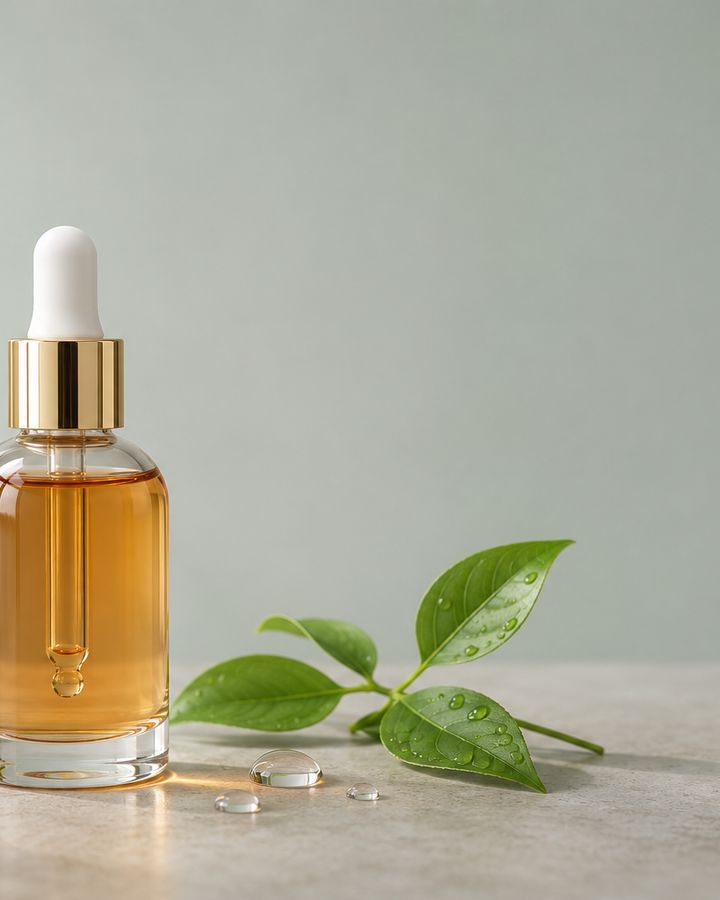
Arboris® AQP3
Triple Hydration System that activates aquaporin-3 for up to 24-hour moisturization.
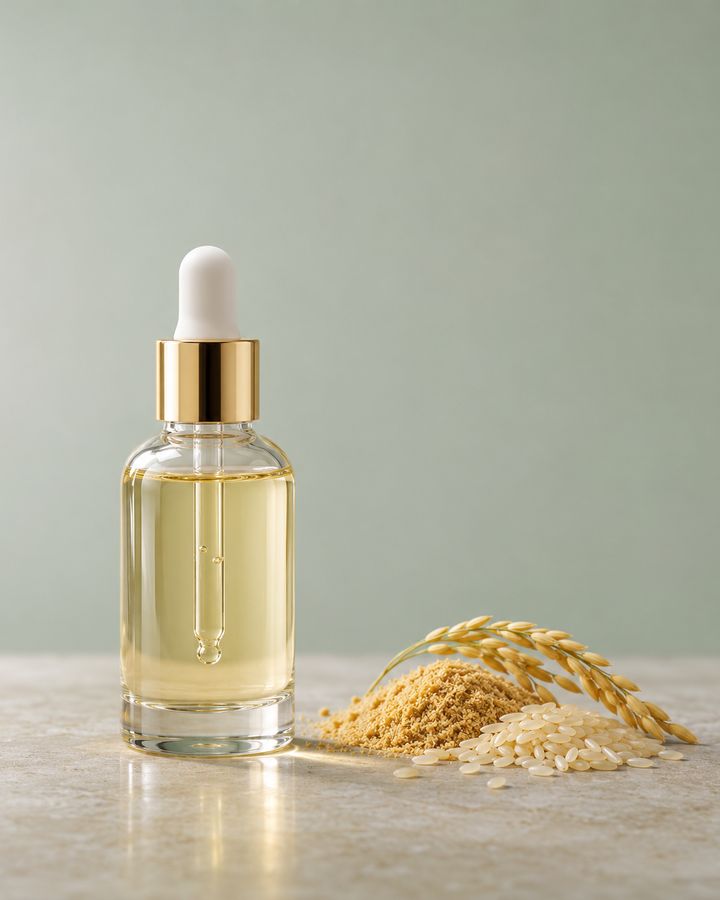
Arboris® PC3
Plant ceramide from rice bran husk that restores the skin barrier.
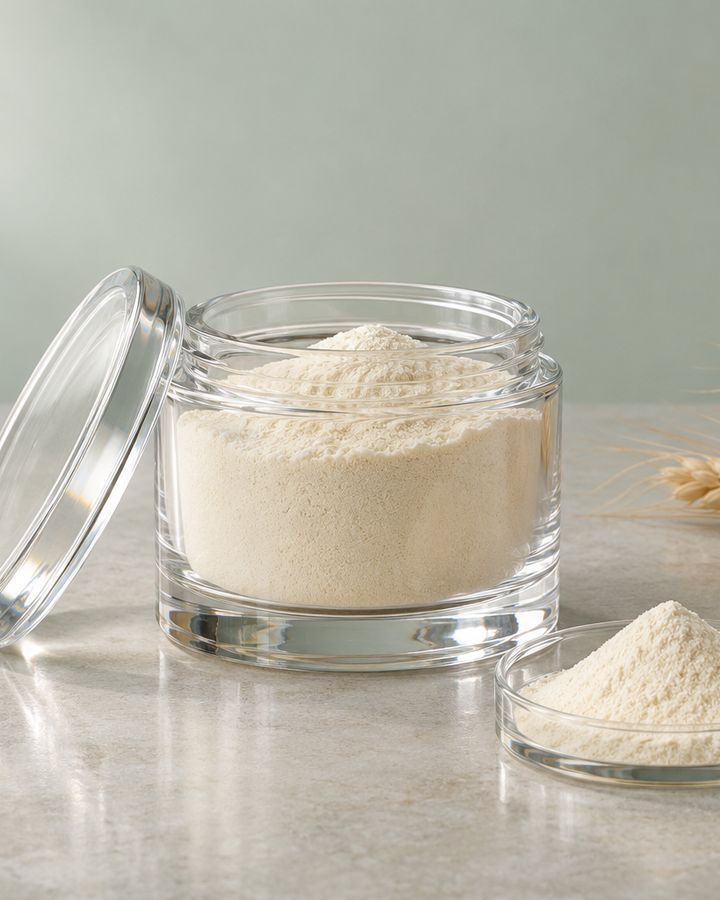
Arborcan
Up to 90% non-derivatized β-glucan from baker's yeast for repair and recovery.