
Fermented actives explained: yeast, lactobacillus and bifida ferments
Why fermentation has become one of skincare's most durable ingredient trends — and how yeast, lactobacillus and bifida ferments differ in formulation.
Fermentation is no longer a niche story. Brands use ferments across repair, hydration, anti-aging, brightening and soothing concepts because the technology combines two things consumers value: a natural origin and visible, science-backed performance.
What fermentation does to an ingredient
During fermentation, microorganisms transform their growth medium and produce new metabolites — peptides, amino acids, organic acids, polysaccharides and enzymes. When the process is controlled, and especially when the microorganisms are deliberately stressed (by UV light, ozone or specific botanicals), they respond by producing protective and repair-related compounds. The result is an active with a richer, more skin-relevant profile than the starting material alone.
Three families of ferments
- Yeast ferments and lysates (Saccharomyces, Pichia) — rich in amino acids, peptides and cellular energy factors. Typical claims: repair, energy, collagen support and hydration.
- Lactobacillus ferments — lactic acid bacteria produce organic acids and antimicrobial peptides. Typical claims: soothing, redness reduction, microbiome-friendly and natural preservation.
- Bifida ferment lysates — associated with protection against UV and environmental stress, cellular oxygen consumption and resilience.
Stress fermentation: a step further
Stress-activated yeast technology, as used for Arboris® SRF, exposes the culture to controlled stress so that it produces a lysate rich in LYCD (Lysate of Yeast Cell Derivatives), linked to cellular respiration, collagen and hyaluronic acid synthesis and wound healing. Arboris® AST1 applies the same logic to a Bulgarian Lactobacillus strain activated by specific UV wavelengths, while Arbor Ozonized R3 uses an ozonized yeast ferment to target collagen production and organization.
Formulation tips
- Most ferment lysates are water soluble and easy to add to the water phase of serums, essences, toners and emulsions.
- Add heat-sensitive ferments below 40 °C during cool-down and follow the recommended storage conditions on the specification.
- Ferments pair well with barrier actives such as ceramides and β-glucan for complete repair concepts.
Our team can recommend use levels and share specifications, SDS and supporting data for each ferment in our portfolio.
Related actives
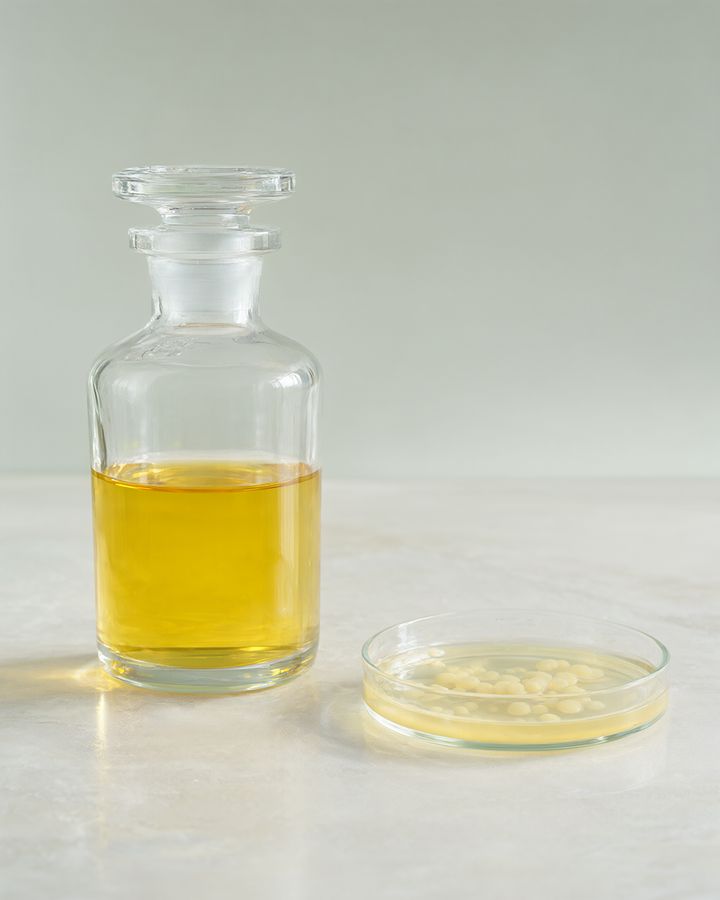
Arboris® SRF
Skin Repair Factor from stress-activated yeast, rich in LYCD.
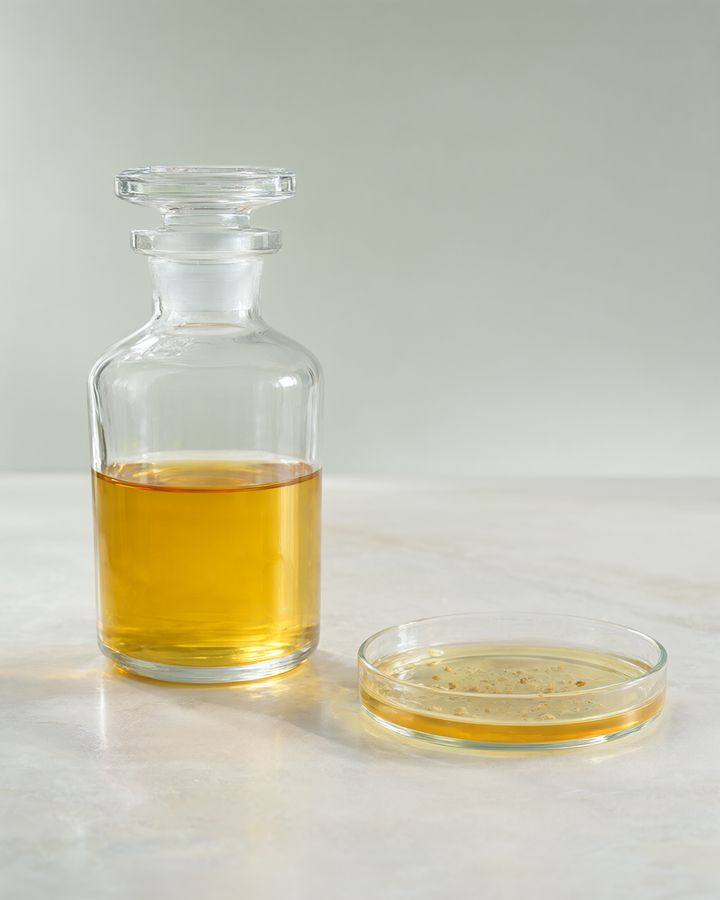
Arboris® BFS
Bifida ferment lysate that boosts cellular energy and defends against UV and environmental stress.
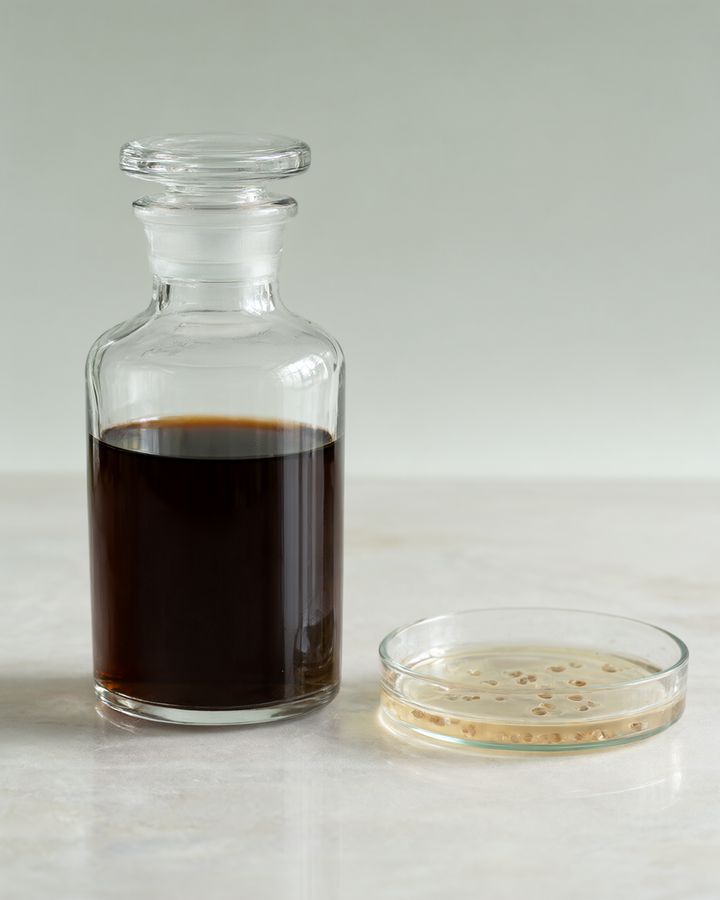
Arboris® AST1
UV-activated Bulgarian Lactobacillus secretion — visibly reduces redness in 15 minutes.
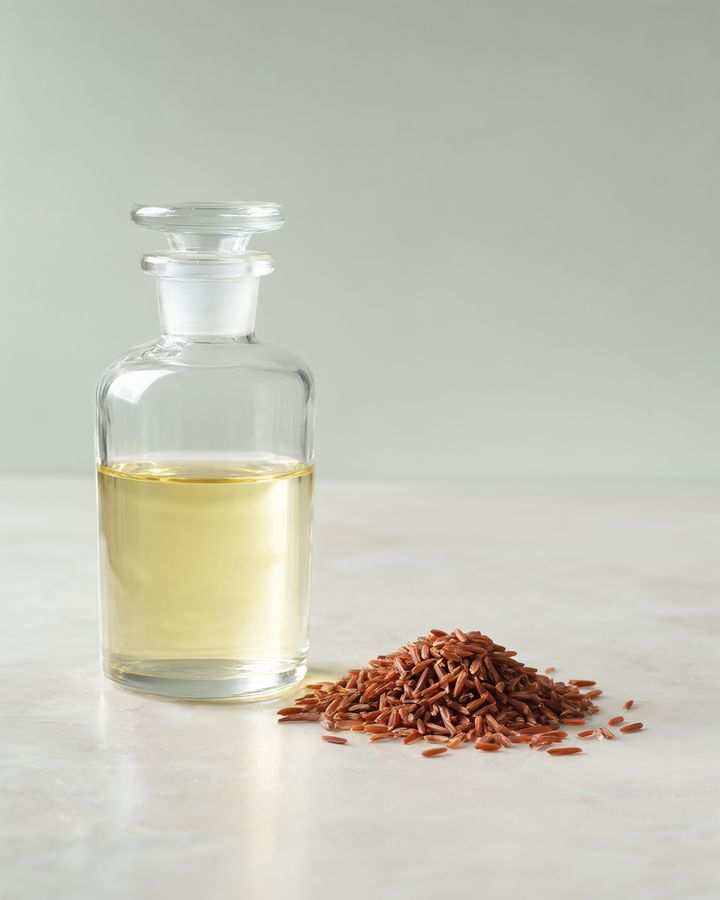
Arbor Ozonized R3
Ozonized yeast ferment that builds and organizes collagen and protects DNA.