
The hurdle approach: designing a preservation system around ferment-derived peptides
Protecting a formula is rarely the job of one ingredient. How to combine pH, water management, packaging and ferment-derived antimicrobial peptides from radish root, lactobacillus and wasabi into one robust, natural-positioned system.
Any product that contains water can support microbial growth, and consumers open, touch and store their products in far from ideal conditions. At the same time, many brands want shorter ingredient lists and a natural-origin story. The practical answer is rarely a single 'magic' ingredient. It is a system: several moderate barriers that together make the formula an unfriendly place for microorganisms. This is often called the hurdle approach, and ferment-derived antimicrobial peptides fit into it well.
What the hurdle approach means
Instead of relying on a high dose of one preservative, the formulator stacks several smaller obstacles. Each one may be insufficient on its own, but microorganisms have to overcome all of them at once. Typical hurdles are:
- pH: many microorganisms grow less readily in mildly acidic conditions, and some antimicrobial ingredients perform better within a defined pH window.
- Available water: humectants and a lower free-water content are associated with slower microbial growth.
- Chelating agents: binding metal ions helps weaken the defences of some bacteria and supports the rest of the system.
- Packaging: airless pumps, tubes and single-dose formats limit contamination during use compared with open jars.
- Manufacturing hygiene: clean raw materials, clean water and good manufacturing practice keep the starting microbial load low.
- Antimicrobial ingredients: the part of the system that actively restricts growth — where ferment-derived peptides come in.
Why lactic acid bacteria are useful here
Lactic acid bacteria have a long history in food fermentation. They restrict competing microorganisms in two ways: they acidify their environment, and their fermentation creates antimicrobial peptides known as bacteriocins. A purified ferment brings this natural defence strategy into a cosmetic ingredient, and it usually contributes skin-conditioning benefits at the same time.
Three ferment-derived options
Cytoguard® PF1 (INCI: Water & Leuconostoc/Radish Root Ferment Filtrate) is a bioactive peptide produced by the lactic acid bacteria used in kimchi fermentation. It offers strong antibacterial activity that protects the formulation together with excellent skin conditioning, and it is suited to natural and preservative-free products across face, body and hair care.
Cytoguard® SFC (INCI: Lactobacillus Ferment) is a lactobacillus ferment containing natural antimicrobial peptides (bacteriocins). It provides broad-spectrum antimicrobial activity and strong conditioning benefits, and its applications include face, body, hair and sensitive-skin products.
Arboris® WSB (INCI: Water & Lactobacillus/Wasabia Japonica Root Ferment Extract) takes the idea one step further. Lactobacillus is stress-fermented in the presence of antimicrobial mustard compounds; the cells are then disrupted and the contents fractionated and purified into bioactive antimicrobial peptides. WSB inhibits a range of harmful bacteria, is gentle and safe for sensitive skin and is ideal for preservative-free formulations.
Ferments that add a skin benefit to the story
A ferment-based protection system pairs naturally with ferment-based actives, which keeps the ingredient list coherent. Arboris® LPW (INCI: Lactobacillus/Citrus Medica Limonum Peel Ferment Extract & Butylene Glycol) is a good example: a fermented lemon peel containing hesperidin and naringin, natural antioxidants with strong anti-tyrosinase activity. It inhibits melanin formation, provides antioxidant protection and balances and brightens skin tone. LPW is a brightening and antioxidant active rather than a preservation ingredient, but it lets a brand tell one consistent lactobacillus-fermentation story from protection to performance.
Putting the system together
- Choose the ferment by positioning: Cytoguard® PF1 for natural face, body and hair products, Cytoguard® SFC where broad-spectrum activity and conditioning are wanted, Arboris® WSB for sensitive-skin concepts.
- Add supporting hurdles — a suitable pH, a chelating agent, humectants and protective packaging — rather than relying on one ingredient alone.
- Confirm the finished formula with a preservative efficacy (challenge) test, and repeat it whenever the formula or the packaging changes.
Formulation notes
- Cytoguard® PF1, Cytoguard® SFC, Arboris® WSB and Arboris® LPW are water-soluble liquids and are added to the water phase.
- Check the specification of each ingredient for appearance, pH range and storage conditions before scaling up.
- Claims such as 'preservative-free' depend on local regulations and on the finished product; claims should be supported by your own finished-product testing.
Our team can recommend use levels and provide specifications, safety data sheets and supporting data for each ingredient. Request samples through the contact page.
Related actives
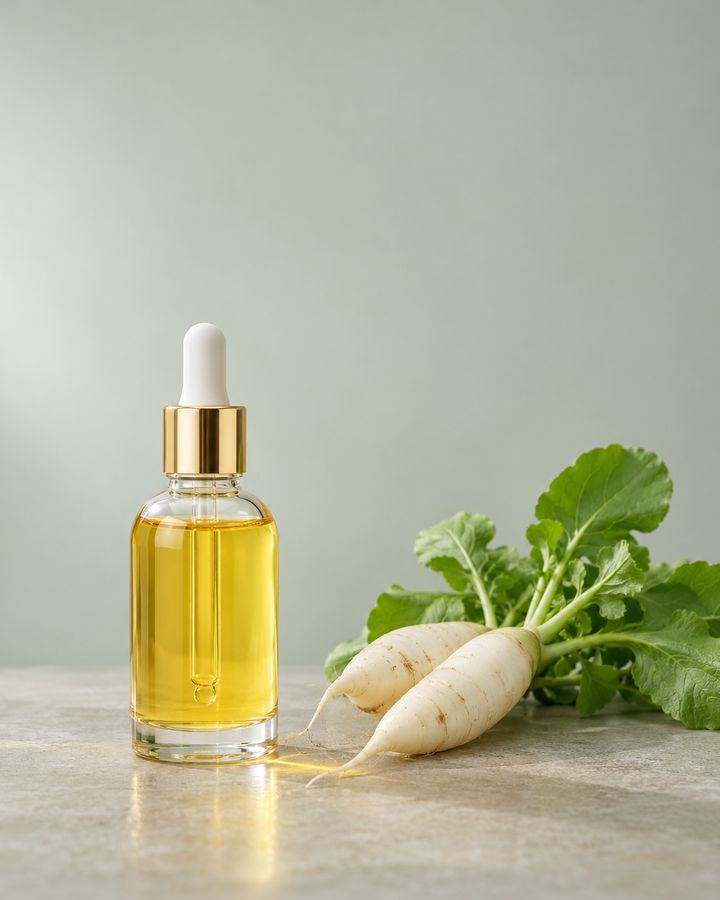
Cytoguard® PF1
Kimchi-derived ferment peptide for natural, preservative-free skincare.
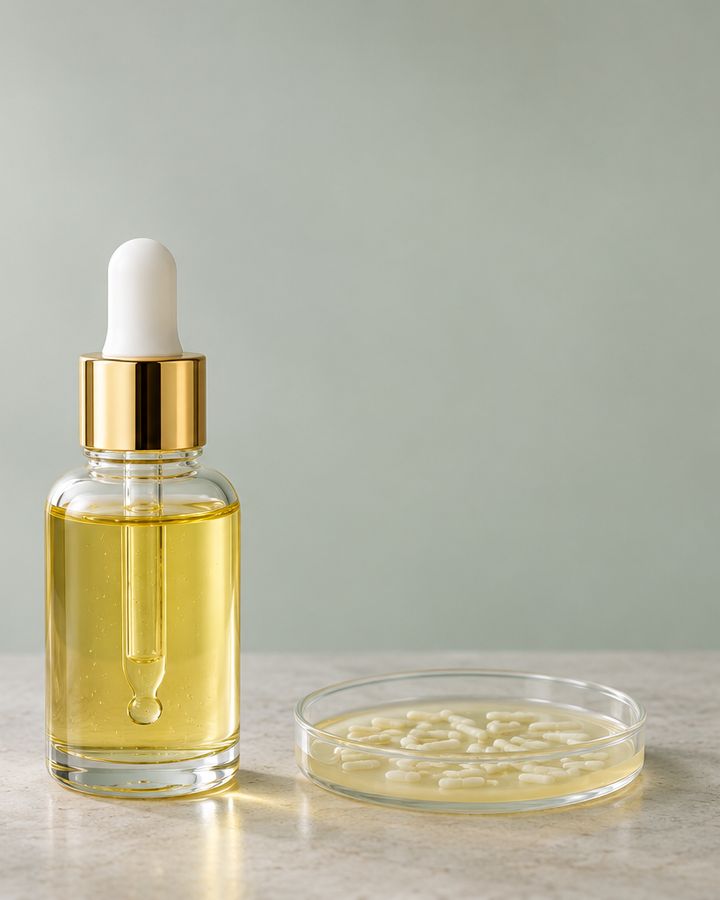
Cytoguard® SFC
Lactobacillus ferment with bacteriocins for broad-spectrum protection.
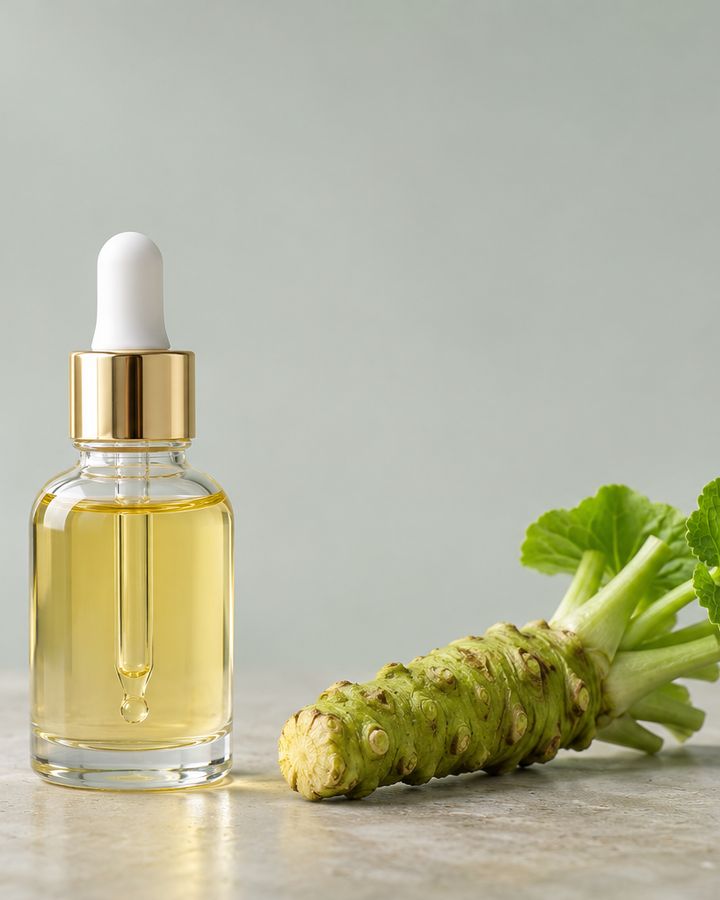
Arboris® WSB
Wasabi stress-ferment peptides — a natural preservative for sensitive skin.
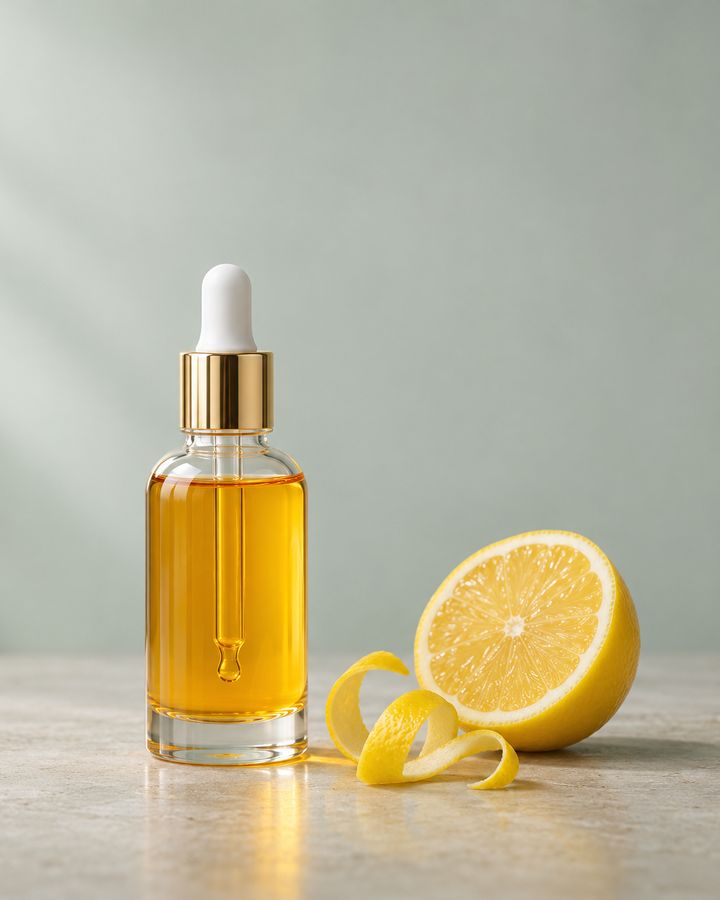
Arboris® LPW
Fermented lemon peel with hesperidin and naringin for brighter, even tone.