
Natural BHA: willow bark, salicin and gentle exfoliation
Salicin-rich willow bark offers a gentler route to clear, smooth skin. Here is how white and black willow bark compare with salicylic acid.
Consumers want smoother, clearer skin without stinging, redness or a compromised barrier. That is why naturally derived BHA from willow bark has become a favourite of formulators building low-irritation exfoliation and blemish-care products.
Salicin versus salicylic acid
Salicylic acid is the classic oil-soluble beta hydroxy acid. Willow bark contains salicin, a natural precursor, together with polyphenols. Salicin-based ingredients are generally positioned as gentler and better suited to daily use, while still refining pores and texture.
White willow and black willow
- Arboris® WWP — white willow (Salix alba) bark extract powder: gentle exfoliation and pore refinement, sebum regulation, soothing and brightening, with mild antimicrobial activity that can help reduce synthetic preservatives.
- Arboris® SA10 — black willow (Salix nigra) bark extract: a liquid natural BHA source that unclogs pores and helps reduce blemishes and dullness.
Building a complete blemish-care system
Willow bark works best as part of a system: pair it with Arboris® CWherb (Canadian willowherb, which inhibits 5-α reductase to balance sebum) and Arboris® OCF (royal-jelly-inspired sebum-regulating actives) for a balanced, non-stripping routine.
Supporting data
For white willow bark we can provide AMES, dermal and ocular irritation, phototoxicity and OECD 442C/442D sensitization reports, ORAC and IL-6 assays, an ultrasound skin imaging study and OECD 301B biodegradability data on request.
Related actives
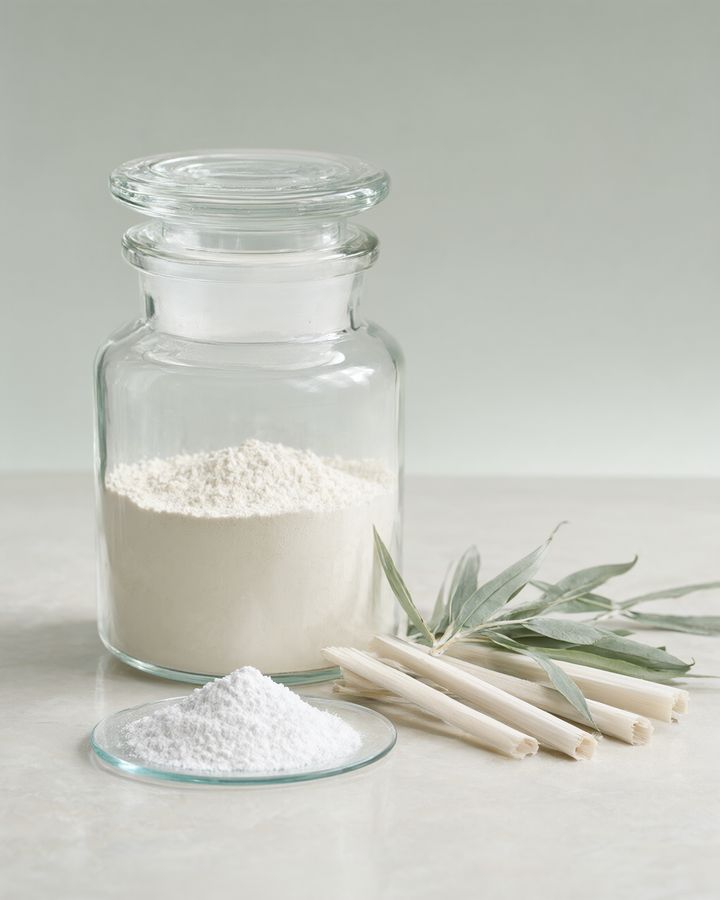
Arboris® WWP
White willow bark — a natural source of salicin for gentle BHA exfoliation.
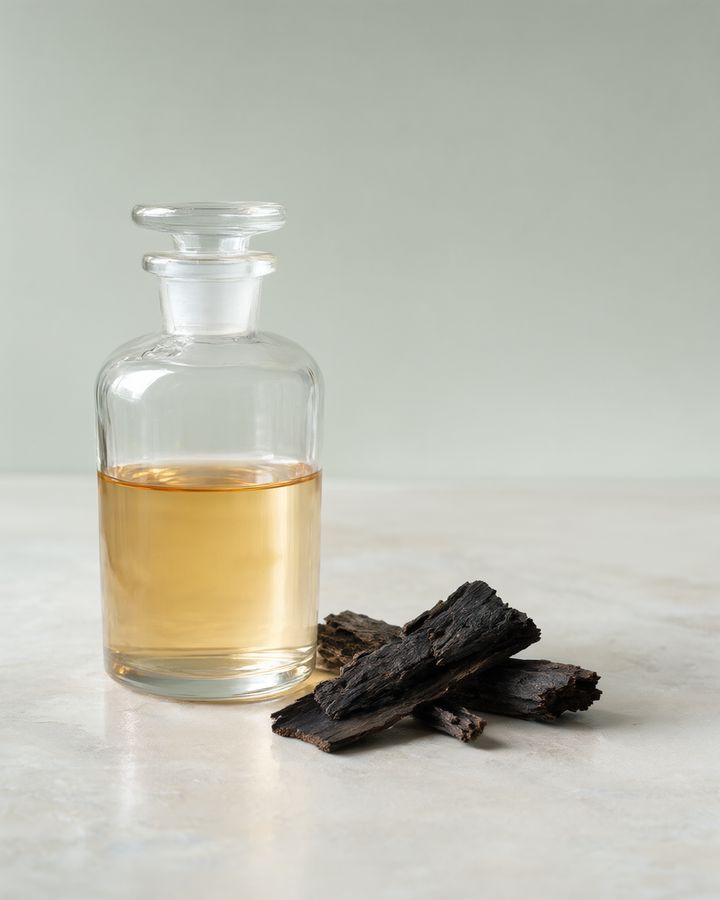
Arboris® SA10
Black willow bark — natural BHA for clear, balanced skin.
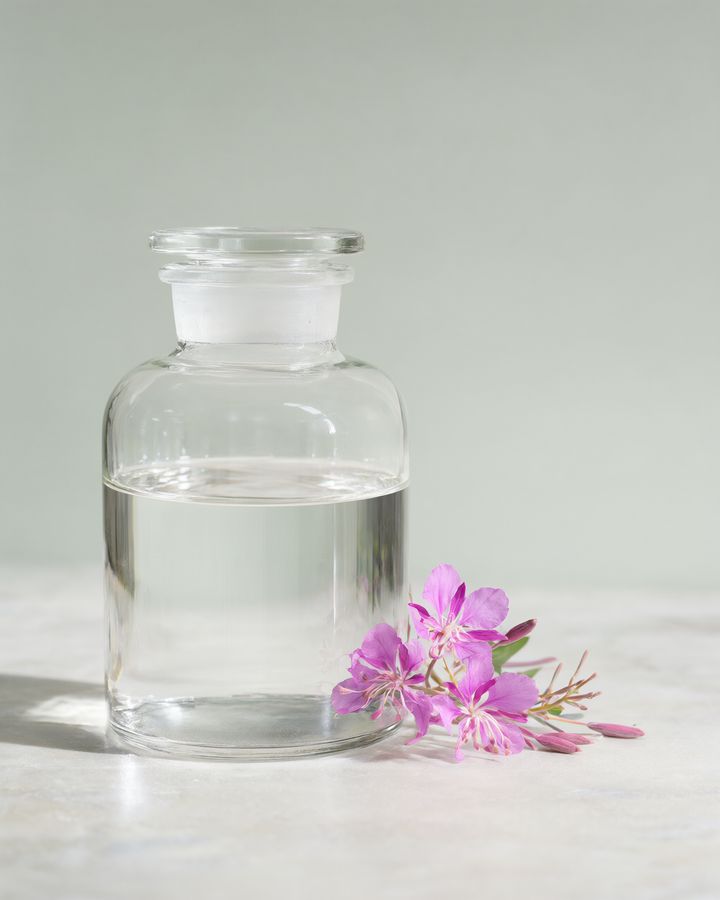
Arboris® CWherb
Canadian willowherb for calming, sebum balance and acne-prone skin.
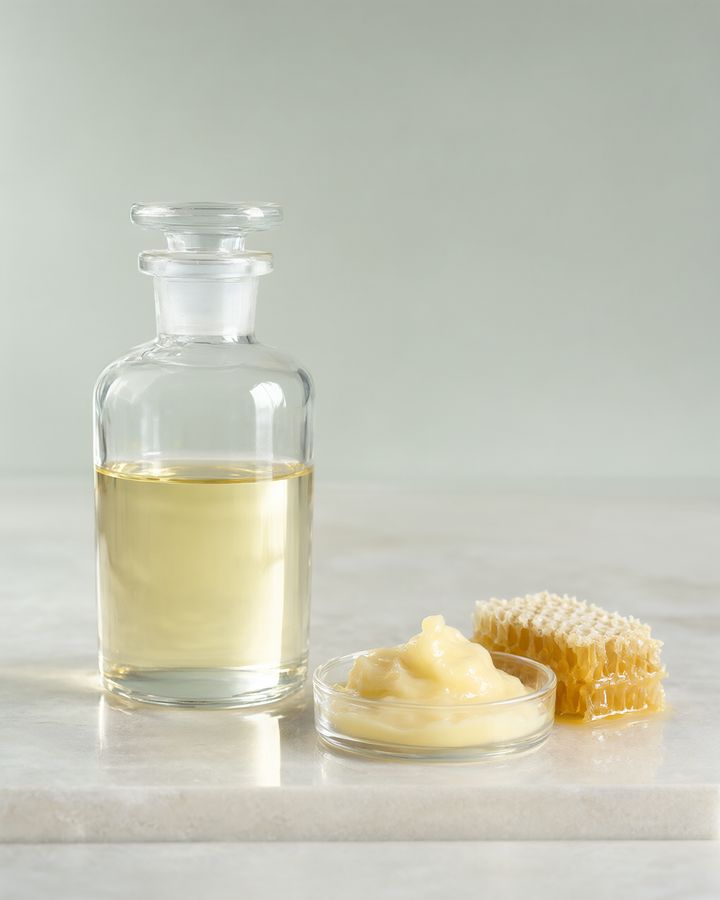
Arboris® OCF
Royal-jelly-inspired actives for sebum control and anti-acne care.